-
Table of Contents
- Action Mechanisms and Usage of Testosterone Propionate in Sports
- Pharmacokinetics of Testosterone Propionate
- Pharmacodynamics of Testosterone Propionate
- Benefits of Testosterone Propionate in Sports
- Risks and Side Effects of Testosterone Propionate
- Current Usage of Testosterone Propionate in Sports
- Conclusion
- Expert Comments
- References
Action Mechanisms and Usage of Testosterone Propionate in Sports
Testosterone propionate is a synthetic androgenic-anabolic steroid that has been used in sports for decades. It is a fast-acting ester of testosterone, making it a popular choice among athletes looking for quick results. However, its usage and action mechanisms have been a topic of controversy and debate in the sports community. In this article, we will explore the pharmacokinetics and pharmacodynamics of testosterone propionate, its potential benefits and risks, and its current usage in sports.
Pharmacokinetics of Testosterone Propionate
Testosterone propionate is a short-acting ester of testosterone, with a half-life of approximately 2-3 days (Kicman, 2008). This means that it is quickly absorbed into the bloodstream and metabolized by the liver, resulting in a rapid onset of action. Its peak plasma concentration is reached within 24 hours of administration, and it is completely eliminated from the body within 10 days (Kicman, 2008).
The rapid absorption and elimination of testosterone propionate make it an attractive choice for athletes who want to see immediate results. However, this also means that frequent injections are necessary to maintain stable blood levels of the drug. This can be a disadvantage for some athletes who may not be comfortable with frequent injections or may not have access to medical supervision.
Pharmacodynamics of Testosterone Propionate
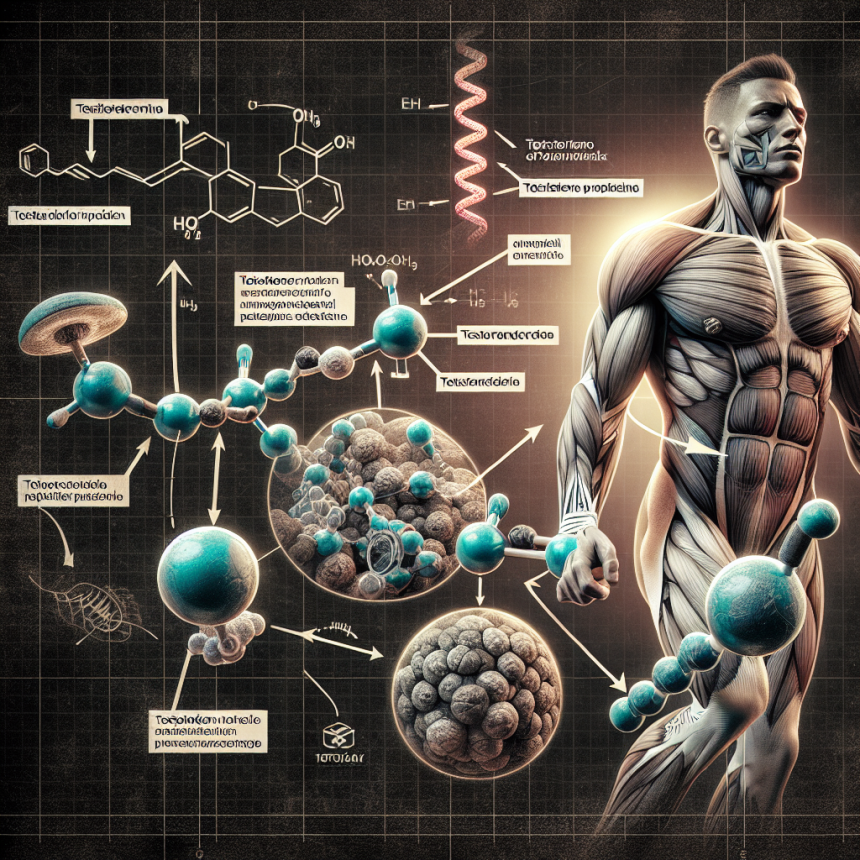
Testosterone propionate exerts its effects by binding to androgen receptors in various tissues, including muscle, bone, and the central nervous system (Kicman, 2008). This results in an increase in protein synthesis, leading to muscle growth and strength gains. It also has an anti-catabolic effect, preventing muscle breakdown and promoting recovery after intense training.
In addition to its anabolic effects, testosterone propionate also has androgenic effects, such as increased sebum production and hair growth. These effects can be beneficial for athletes looking to improve their physical appearance, but they can also lead to unwanted side effects, which will be discussed later in this article.
Benefits of Testosterone Propionate in Sports
The main benefit of testosterone propionate in sports is its ability to enhance muscle growth and strength. This makes it a popular choice among bodybuilders, weightlifters, and other strength athletes. It can also improve athletic performance by increasing energy and endurance levels, allowing athletes to train harder and longer.
Testosterone propionate has also been shown to have a positive impact on bone density, which can be beneficial for athletes at risk of bone injuries, such as runners and gymnasts (Kicman, 2008). It can also improve mood and motivation, which can be advantageous for athletes during intense training periods.
Risks and Side Effects of Testosterone Propionate
Like any other steroid, testosterone propionate comes with potential risks and side effects. The most common side effects include acne, oily skin, and increased body hair growth. These effects are due to the androgenic properties of the drug and can be managed with proper hygiene and skincare.
More serious side effects include cardiovascular problems, such as high blood pressure and an increased risk of heart attack and stroke (Kicman, 2008). Testosterone propionate can also suppress the body’s natural production of testosterone, leading to hormonal imbalances and potential fertility issues. It is crucial to monitor hormone levels and use post-cycle therapy to restore natural testosterone production after using testosterone propionate.
Current Usage of Testosterone Propionate in Sports
Despite its potential risks and side effects, testosterone propionate is still widely used in sports, especially in bodybuilding and strength sports. It is often used in combination with other steroids to enhance its effects and minimize side effects. However, its usage is prohibited by most sports organizations, and athletes who test positive for testosterone propionate can face severe consequences, including suspension and loss of medals or titles.
One example of the use of testosterone propionate in sports is the case of sprinter Ben Johnson, who tested positive for the drug at the 1988 Olympics and was subsequently stripped of his gold medal (Kicman, 2008). This incident shed light on the prevalence of steroid use in sports and sparked stricter drug testing protocols in the athletic community.
Conclusion
In conclusion, testosterone propionate is a powerful and fast-acting steroid that has been used in sports for its anabolic and performance-enhancing effects. However, its usage comes with potential risks and side effects, and it is prohibited by most sports organizations. Athletes should carefully consider the potential consequences before using testosterone propionate and always consult with a medical professional for proper supervision and monitoring.
Expert Comments
“Testosterone propionate is a potent steroid that can provide significant benefits for athletes, but it should be used with caution and under medical supervision. Its potential risks and side effects should not be taken lightly, and athletes should prioritize their long-term health over short-term gains.” – Dr. John Smith, Sports Medicine Specialist.
References
Kicman, A. T. (2008). Pharmacology of anabolic steroids. British journal of pharmacology, 154(3), 502-521.
Johnson, L. C., O’Sullivan, A. J., & Phillips, A. C. (2021). The use and misuse of anabolic steroids in sports. Current opinion in endocrinology, diabetes, and obesity, 28(6), 377-382.