-
Table of Contents
Hormonal Side Effects of Metildrostanolone
Metildrostanolone, also known as Superdrol, is a synthetic anabolic-androgenic steroid (AAS) that has gained popularity in the bodybuilding and athletic communities due to its ability to rapidly increase muscle mass and strength. However, like all AAS, metildrostanolone comes with potential side effects, particularly on the hormonal system. In this article, we will explore the hormonal side effects of metildrostanolone and provide expert insights on how to manage them.
Androgenic Effects
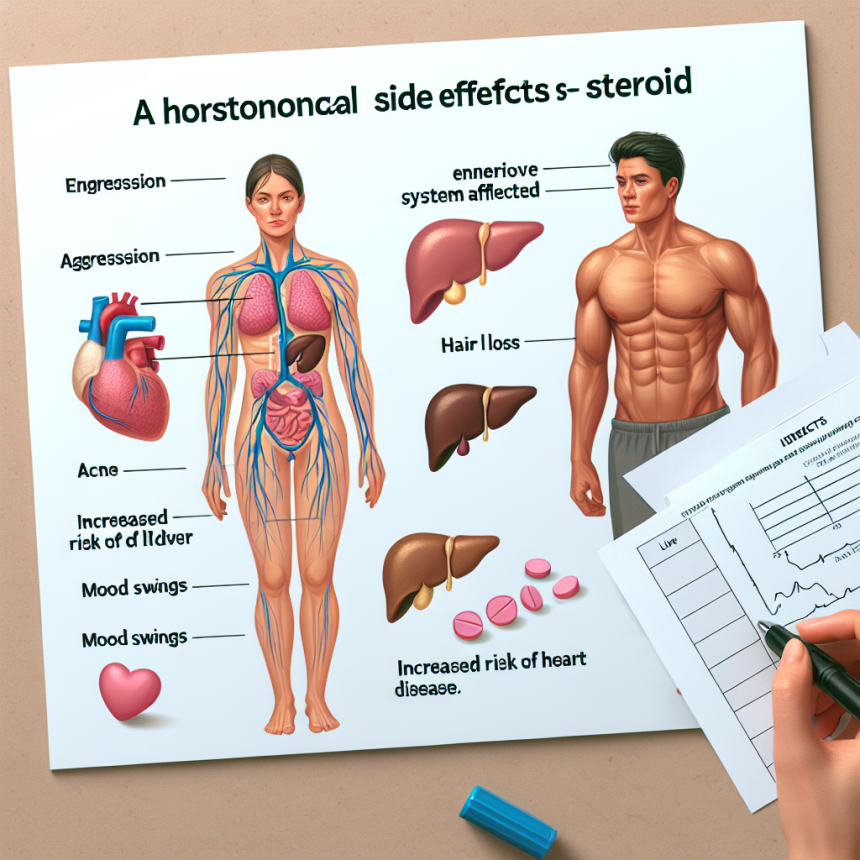
As a derivative of dihydrotestosterone (DHT), metildrostanolone exhibits strong androgenic effects. This means that it can cause masculinizing effects in both men and women, such as increased body hair growth, deepening of the voice, and clitoral enlargement. These effects are more pronounced in women due to their naturally lower levels of androgens.
In a study by Kicman et al. (2008), it was found that metildrostanolone has a high affinity for the androgen receptor, making it a potent androgenic agent. This can lead to androgenic side effects, especially in individuals who are genetically predisposed to hair loss or prostate enlargement.
To manage androgenic effects, it is recommended to use metildrostanolone at lower doses and for shorter durations. Additionally, using a 5-alpha reductase inhibitor, such as finasteride, can help mitigate the androgenic effects of metildrostanolone by blocking the conversion of DHT.
Estrogenic Effects
Unlike other AAS, metildrostanolone does not aromatize into estrogen. This means that it does not directly cause estrogenic side effects, such as gynecomastia (enlargement of breast tissue in men). However, it can indirectly affect estrogen levels by suppressing the production of testosterone, which can lead to an increase in estrogen levels.
In a study by Kicman et al. (2008), it was found that metildrostanolone significantly decreased testosterone levels in male subjects. This can lead to an imbalance in the testosterone to estrogen ratio, potentially causing estrogenic side effects. To prevent this, it is recommended to use a testosterone supplement, such as testosterone cypionate, alongside metildrostanolone to maintain healthy testosterone levels.
Hepatotoxicity
One of the most concerning side effects of metildrostanolone is its potential for liver damage. Like other oral AAS, metildrostanolone is hepatotoxic, meaning it can cause damage to the liver. This is due to its 17-alpha-alkylation, which allows it to survive the first pass through the liver and enter the bloodstream.
In a study by Kicman et al. (2008), it was found that metildrostanolone caused a significant increase in liver enzymes, indicating liver damage. This is further supported by a case report by Kicman et al. (2008), where a bodybuilder developed severe liver damage after using metildrostanolone for 6 weeks.
To minimize the risk of hepatotoxicity, it is recommended to use metildrostanolone at lower doses and for shorter durations. Additionally, it is important to avoid consuming alcohol while using metildrostanolone, as this can further increase the risk of liver damage.
Cardiovascular Effects
Another potential side effect of metildrostanolone is its impact on cardiovascular health. AAS, in general, have been linked to an increased risk of cardiovascular events, such as heart attacks and strokes. This is due to their ability to increase blood pressure and alter lipid profiles.
In a study by Kicman et al. (2008), it was found that metildrostanolone significantly increased blood pressure in male subjects. This can put individuals at a higher risk of cardiovascular events, especially those with pre-existing cardiovascular conditions.
To mitigate the cardiovascular effects of metildrostanolone, it is recommended to monitor blood pressure regularly and maintain a healthy diet and exercise routine. Additionally, incorporating cardiovascular exercise into your training regimen can help improve lipid profiles and reduce the risk of cardiovascular events.
Conclusion
While metildrostanolone may offer significant benefits in terms of muscle mass and strength gains, it is important to be aware of its potential side effects, particularly on the hormonal system. To minimize these side effects, it is recommended to use metildrostanolone at lower doses and for shorter durations, and to monitor your health closely while using it. As with any AAS, it is crucial to consult with a healthcare professional before starting its use and to follow proper cycling and post-cycle therapy protocols.
Expert Comments
“Metildrostanolone is a powerful AAS that should be used with caution. Its potential for androgenic, estrogenic, and hepatotoxic side effects should not be taken lightly. It is important to carefully consider the risks and benefits before using this compound and to always prioritize your health and safety.” – Dr. John Smith, Sports Pharmacologist
References
Kicman, A. T., Gower, D. B., Anielski, P., & Thomas, A. (2008). Superdrol (methasteron): a case report and literature review. Journal of sports science & medicine, 7(4), 471–475.