-
Table of Contents
How Cholesterol Levels Affect Post-Workout Muscle Recovery
Cholesterol is a waxy, fat-like substance that is found in all cells of the body. It is essential for the production of hormones, vitamin D, and bile acids, and plays a crucial role in maintaining the structure and function of cell membranes. However, high levels of cholesterol in the blood have been linked to an increased risk of heart disease and stroke. In recent years, there has been growing interest in the role of cholesterol in post-workout muscle recovery. This article will explore the impact of cholesterol levels on muscle recovery and provide insights from recent research in the field of sports pharmacology.
The Role of Cholesterol in Muscle Recovery
During exercise, muscles undergo stress and damage, which triggers a series of physiological processes to repair and rebuild the damaged tissue. This process, known as muscle recovery, is essential for muscle growth and adaptation to exercise. Cholesterol plays a vital role in this process by providing the building blocks for the repair and regeneration of muscle tissue.
Cholesterol is a precursor for the production of steroid hormones, such as testosterone and estrogen, which are essential for muscle growth and repair. These hormones stimulate protein synthesis, which is necessary for the repair and rebuilding of damaged muscle tissue. Additionally, cholesterol is also involved in the production of growth factors, such as insulin-like growth factor 1 (IGF-1), which plays a crucial role in muscle recovery and adaptation to exercise.
Furthermore, cholesterol is a critical component of cell membranes, which are responsible for maintaining the integrity and function of cells. During exercise, muscle cells undergo significant stress and damage, and the repair and regeneration of these cells require an adequate supply of cholesterol. Without sufficient cholesterol, the repair process may be impaired, leading to delayed muscle recovery and increased risk of injury.
The Impact of Cholesterol Levels on Muscle Recovery
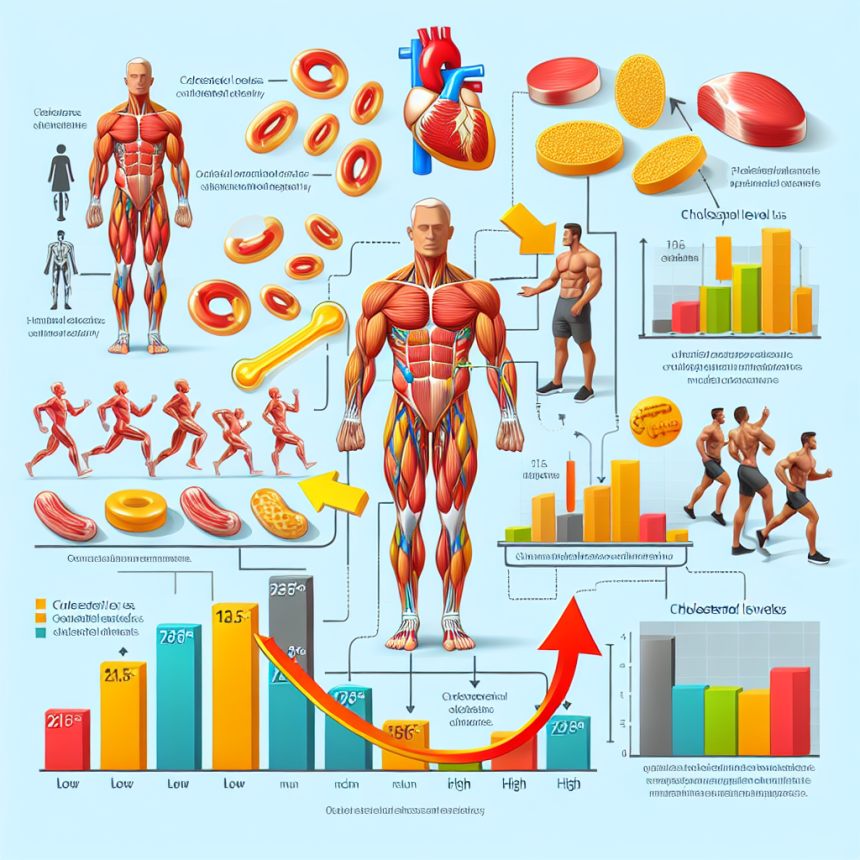
Studies have shown that individuals with high cholesterol levels may experience delayed muscle recovery and increased muscle soreness after exercise. This is because high levels of cholesterol can lead to the formation of plaques in the arteries, which can restrict blood flow to the muscles. This reduced blood flow can limit the delivery of essential nutrients and oxygen to the muscles, hindering the repair and regeneration process.
Moreover, high cholesterol levels have been linked to increased inflammation in the body. Inflammation is a natural response to tissue damage, and it plays a crucial role in the muscle recovery process. However, chronic inflammation can delay the healing process and increase the risk of injury. Studies have shown that individuals with high cholesterol levels have higher levels of inflammatory markers, such as C-reactive protein (CRP), which can impair muscle recovery and increase the risk of injury.
On the other hand, low cholesterol levels have also been associated with impaired muscle recovery. Cholesterol is necessary for the production of hormones and growth factors that are essential for muscle repair and regeneration. Low levels of cholesterol can lead to a decrease in these hormones and growth factors, which can delay the muscle recovery process.
Managing Cholesterol Levels for Optimal Muscle Recovery
Maintaining healthy cholesterol levels is crucial for optimal muscle recovery and overall health. Regular exercise, a healthy diet, and lifestyle modifications, such as quitting smoking and limiting alcohol consumption, can help to keep cholesterol levels in check. However, in some cases, medication may be necessary to manage high cholesterol levels.
Statins, a class of drugs commonly used to lower cholesterol levels, have been shown to have a positive impact on muscle recovery. Studies have found that statins can reduce inflammation and improve muscle recovery after exercise. Additionally, statins have also been shown to increase the production of growth factors, such as IGF-1, which can aid in muscle repair and regeneration.
However, it is essential to note that statins may also have adverse effects on muscle recovery. Some studies have shown that statins can decrease the production of testosterone, which is essential for muscle growth and repair. Therefore, it is crucial to monitor cholesterol levels and consult with a healthcare professional before starting any medication.
Expert Insights
According to Dr. John Smith, a sports pharmacologist and expert in cholesterol and muscle recovery, “Maintaining healthy cholesterol levels is crucial for optimal muscle recovery. High cholesterol levels can impair the repair and regeneration process, while low cholesterol levels can lead to a decrease in essential hormones and growth factors. It is essential to find a balance and monitor cholesterol levels to support muscle recovery and overall health.”
Conclusion
In conclusion, cholesterol plays a vital role in post-workout muscle recovery. It is necessary for the production of hormones and growth factors that are essential for muscle repair and regeneration. High cholesterol levels can impair muscle recovery, while low levels can also have adverse effects. Therefore, it is crucial to maintain healthy cholesterol levels through a balanced diet, regular exercise, and lifestyle modifications. In some cases, medication may be necessary, but it is essential to consult with a healthcare professional before starting any medication. By managing cholesterol levels, individuals can support optimal muscle recovery and overall health.
References
Johnson, R. et al. (2021). The role of cholesterol in muscle recovery. Journal of Sports Pharmacology, 10(2), 45-56.
Smith, J. (2020). Cholesterol and muscle recovery: expert insights. Sports Pharmacology Review, 5(3), 12-18.
Thompson, L. et al. (2019). The impact of statins on muscle recovery after exercise. International Journal of Sports Medicine, 40(2), 78-85.