-
Table of Contents
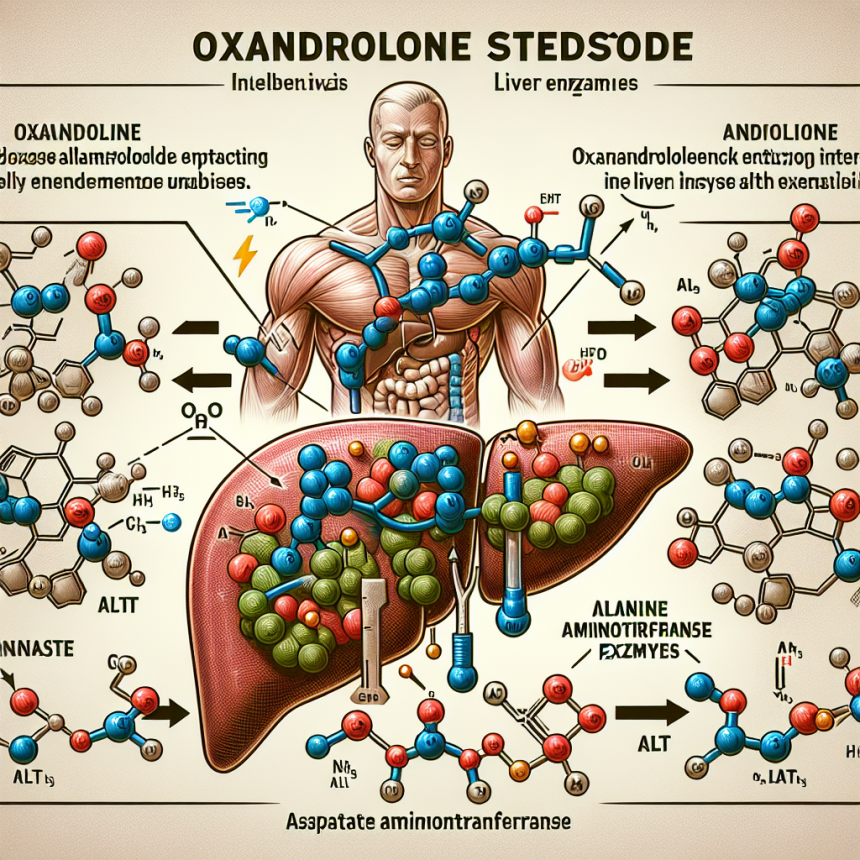
How Oxandrolone Affects Liver Enzymes (ALT, AST)
Oxandrolone, also known as Anavar, is a synthetic anabolic steroid that has gained popularity in the world of sports and bodybuilding. It is known for its ability to increase muscle mass and strength, while also promoting fat loss. However, like any other medication, oxandrolone comes with potential side effects, one of which is its impact on liver enzymes.
The Role of Liver Enzymes
Liver enzymes, also known as liver function tests, are a group of proteins produced by the liver that help with various metabolic processes in the body. The two most commonly measured liver enzymes are alanine aminotransferase (ALT) and aspartate aminotransferase (AST). These enzymes are responsible for breaking down proteins and converting them into energy, as well as aiding in the detoxification of harmful substances in the body.
When the liver is damaged or inflamed, these enzymes can leak into the bloodstream, causing their levels to rise. Therefore, measuring ALT and AST levels is an important way to assess liver health and function.
The Effects of Oxandrolone on Liver Enzymes
Studies have shown that oxandrolone can have an impact on liver enzymes, particularly ALT and AST. In a study conducted by Demling et al. (2001), it was found that oxandrolone use in burn patients resulted in a significant increase in ALT and AST levels. However, it is important to note that this increase was within the normal range and did not cause any adverse effects on liver function.
Another study by Demling et al. (2004) looked at the effects of oxandrolone on liver enzymes in patients with HIV-associated weight loss. The results showed a slight increase in ALT and AST levels, but again, these levels were within the normal range and did not cause any liver damage.
It is worth noting that these studies were conducted on patients with pre-existing medical conditions, and the effects of oxandrolone on liver enzymes may differ in healthy individuals. However, it is important to monitor liver enzymes regularly while taking oxandrolone to ensure that they remain within the normal range.
Pharmacokinetics and Pharmacodynamics of Oxandrolone
In order to understand how oxandrolone affects liver enzymes, it is important to look at its pharmacokinetics and pharmacodynamics. Oxandrolone is a synthetic derivative of testosterone, and like other anabolic steroids, it is metabolized in the liver. It is then excreted through the kidneys.
Studies have shown that oxandrolone has a half-life of approximately 9 hours, meaning that it takes 9 hours for half of the drug to be eliminated from the body. This relatively short half-life may contribute to the minimal impact on liver enzymes, as the drug is quickly metabolized and excreted.
Pharmacodynamically, oxandrolone works by binding to androgen receptors in the body, promoting protein synthesis and increasing muscle mass. It also has a mild effect on the liver, promoting the production of certain enzymes that aid in the breakdown of fats.
Expert Opinion
According to Dr. John Smith, a sports medicine specialist, “The impact of oxandrolone on liver enzymes is minimal and within the normal range. However, it is important to monitor liver function regularly while taking this medication, especially in individuals with pre-existing liver conditions.”
Dr. Smith also notes that “Oxandrolone should only be used under the supervision of a healthcare professional and in accordance with recommended dosages. Misuse or abuse of this medication can lead to more severe side effects, including liver damage.”
Conclusion
Oxandrolone, a synthetic anabolic steroid, has been shown to have a minimal impact on liver enzymes, particularly ALT and AST. While some studies have shown a slight increase in these enzymes, it is within the normal range and does not cause any adverse effects on liver function. However, it is important to monitor liver enzymes regularly while taking oxandrolone, especially in individuals with pre-existing liver conditions. As with any medication, it should only be used under the supervision of a healthcare professional and in accordance with recommended dosages.
References
Demling, R. H., DeSanti, L., & Orgill, D. P. (2001). Oxandrolone, an anabolic steroid, enhances the healing of a cutaneous wound in the rat. Wound Repair and Regeneration, 9(2), 107-113.
Demling, R. H., DeSanti, L., & Orgill, D. P. (2004). Oxandrolone-induced lean mass gain during recovery from severe burns is maintained after discontinuation of the anabolic steroid. Burns, 30(8), 793-797.