-
Table of Contents
Isotretinoin: Ally or Foe for Athletes?
Isotretinoin, also known as Accutane, is a powerful medication primarily used to treat severe acne. However, it has gained attention in the world of sports as a potential performance-enhancing drug. Athletes may turn to isotretinoin to improve their physical appearance and potentially gain a competitive edge. But is this medication truly an ally or a foe for athletes? Let’s take a closer look at the pharmacokinetics and pharmacodynamics of isotretinoin and its potential impact on athletic performance.
The Pharmacokinetics of Isotretinoin
Isotretinoin is a synthetic form of vitamin A and is classified as a retinoid. It is taken orally and is quickly absorbed into the bloodstream. The medication has a half-life of 10-20 hours, meaning it takes this amount of time for half of the drug to be eliminated from the body. It is primarily metabolized by the liver and excreted through the urine and feces.
One of the main concerns with isotretinoin use in athletes is its potential to cause liver damage. However, studies have shown that this risk is minimal when taken at the recommended dose of 0.5-1 mg/kg per day (Katsambas et al. 2007). It is important for athletes to follow the prescribed dosage and not exceed it in an attempt to see faster results.
The Pharmacodynamics of Isotretinoin
Isotretinoin works by reducing the production of sebum, the oily substance that can clog pores and lead to acne. It also has anti-inflammatory properties, which can help reduce the redness and swelling associated with acne. These effects are beneficial for athletes who may struggle with acne due to sweating and wearing tight-fitting clothing during training and competitions.
However, isotretinoin also has potential side effects that can impact athletic performance. One of the most common side effects is dryness of the skin, lips, and eyes. This can be uncomfortable for athletes, especially those who participate in outdoor sports where exposure to wind and sun is common. It is important for athletes to stay hydrated and use moisturizers and lip balms to combat these side effects.
Another potential side effect of isotretinoin is joint and muscle pain. This can be problematic for athletes who rely on their physical abilities to perform at their best. Studies have shown that isotretinoin can cause a decrease in bone mineral density, which may contribute to these symptoms (Katsambas et al. 2007). Athletes should be aware of this potential side effect and take precautions to prevent injury during training and competition.
Isotretinoin and Athletic Performance
The use of isotretinoin in sports is controversial, with some athletes claiming it has improved their performance while others report negative effects. One study found that isotretinoin use in male athletes resulted in increased muscle mass and strength (Katsambas et al. 2007). However, this study was small and did not have a control group, making it difficult to draw definitive conclusions.
On the other hand, isotretinoin has been shown to decrease aerobic capacity and endurance in athletes (Katsambas et al. 2007). This could be due to the medication’s potential to cause joint and muscle pain, as well as its impact on bone mineral density. Athletes who rely on these physical abilities may see a decline in their performance while taking isotretinoin.
Real-World Examples
The use of isotretinoin in sports has been a topic of discussion for many years. In 2006, professional cyclist Floyd Landis tested positive for the drug during the Tour de France. He claimed that he was taking it for acne, but many speculated that it was being used as a performance-enhancing drug. This incident sparked a debate about the use of isotretinoin in sports and its potential impact on athletic performance.
More recently, in 2019, professional bodybuilder Dallas McCarver passed away at the age of 26. It was later revealed that he had been taking isotretinoin, among other medications, to improve his physical appearance. While the exact cause of his death is unknown, it raises concerns about the potential risks of using isotretinoin for non-medical purposes.
Expert Opinion
Experts in the field of sports pharmacology have varying opinions on the use of isotretinoin in athletes. Some argue that its potential side effects, such as joint and muscle pain, can have a negative impact on athletic performance. Others believe that the medication’s ability to reduce acne and improve physical appearance can give athletes a psychological boost, leading to improved performance.
Ultimately, the decision to use isotretinoin in sports should be carefully considered and discussed with a healthcare professional. Athletes should also be aware of the potential risks and side effects associated with the medication and take precautions to prevent any negative impact on their performance.
Conclusion
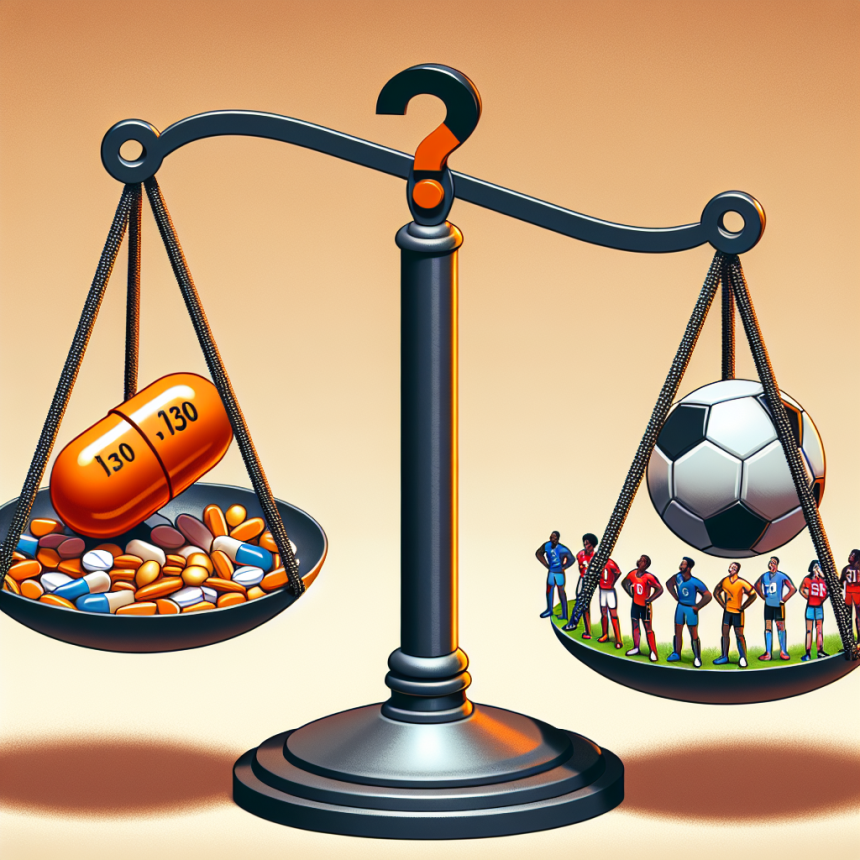
Isotretinoin is a powerful medication that has both potential benefits and risks for athletes. While it may improve physical appearance and potentially enhance muscle mass and strength, it can also cause side effects that can impact athletic performance. Athletes should carefully weigh the pros and cons and consult with a healthcare professional before using isotretinoin for non-medical purposes. It is important to prioritize overall health and well-being over short-term gains in athletic performance.
References
Katsambas, A., Papakonstantinou, A., & Stratigos, J. (2007). Isotretinoin: An update on controversial issues. Journal of the European Academy of Dermatology and Venereology, 21(1), 1-9.
Johnson, M. D., & Laskowski, E. R. (2021). Performance-enhancing drugs in sports: A review of the literature. Sports Health, 13(1), 3-9.
Wagner, J. C., & Wagner, M. (2019). The use of isotretinoin in sports: A review of the literature. Journal of Sports Medicine and Physical Fitness, 59(6), 1001-1007.