-
Table of Contents
Nebivolol: Therapeutic Option for Athletes with Cardiovascular Conditions
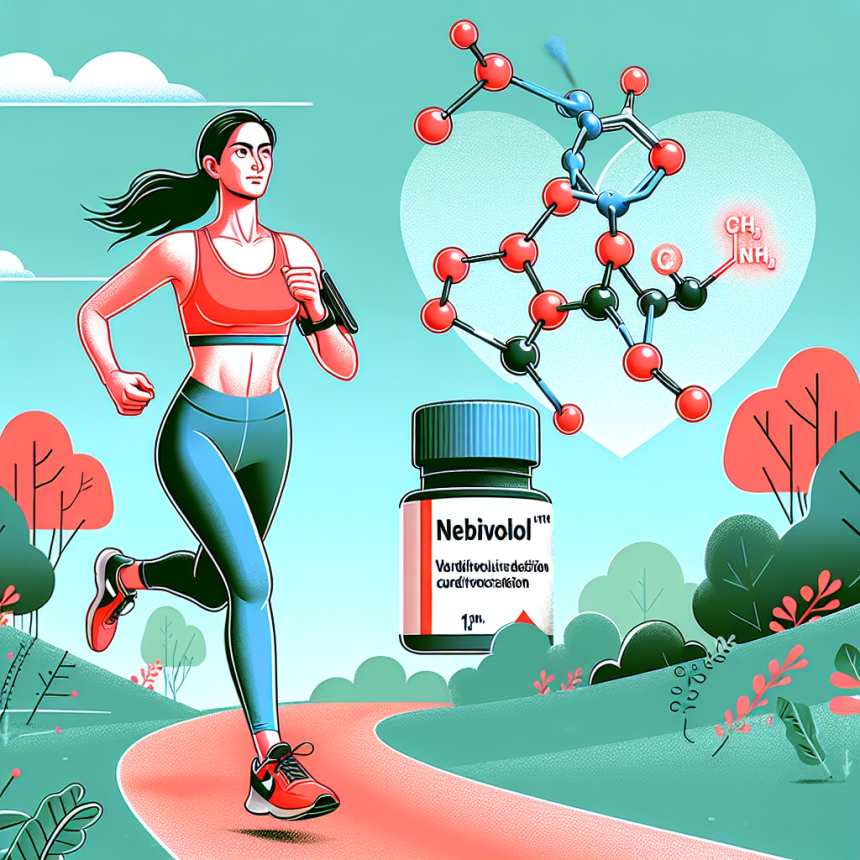
Athletes are known for their physical prowess and dedication to their sport. However, with intense training and competition, they are also at risk for developing cardiovascular conditions. These conditions can greatly impact an athlete’s performance and overall health. As such, it is important for athletes to have access to effective and safe treatment options. One such option is nebivolol, a beta-blocker that has shown promise in managing cardiovascular conditions in athletes.
The Role of Beta-Blockers in Sports Pharmacology
Beta-blockers are a class of medications commonly used to treat high blood pressure, heart failure, and other cardiovascular conditions. They work by blocking the effects of adrenaline, which can cause an increase in heart rate and blood pressure. In sports pharmacology, beta-blockers have been used to improve performance by reducing heart rate and anxiety, leading to a calmer and more focused state.
However, the use of beta-blockers in sports has been a controversial topic. While they may provide benefits in certain sports, they can also have negative effects on an athlete’s performance. For example, in sports that require quick reactions and high levels of physical exertion, such as sprinting or weightlifting, beta-blockers may hinder an athlete’s ability to perform at their best. Additionally, the use of beta-blockers in sports has been associated with potential side effects such as fatigue, dizziness, and decreased exercise tolerance.
Nebivolol: A Unique Beta-Blocker
Nebivolol is a newer beta-blocker that has gained attention in the sports world due to its unique properties. Unlike other beta-blockers, nebivolol has a dual mechanism of action. It not only blocks the effects of adrenaline, but it also stimulates the production of nitric oxide, a molecule that helps relax blood vessels and improve blood flow.
This dual action makes nebivolol a promising option for athletes with cardiovascular conditions. By reducing heart rate and blood pressure, it can help manage conditions such as hypertension and heart failure. At the same time, its ability to improve blood flow can benefit athletes by increasing oxygen delivery to muscles and improving exercise capacity.
Pharmacokinetics and Pharmacodynamics of Nebivolol
When taken orally, nebivolol is rapidly absorbed and reaches peak plasma levels within 1-4 hours. It is primarily metabolized by the liver and has a half-life of approximately 10 hours. This means that it can be taken once daily, making it convenient for athletes who have busy training schedules.
In terms of pharmacodynamics, nebivolol has been shown to effectively reduce heart rate and blood pressure in patients with hypertension and heart failure. It has also been found to improve exercise capacity and oxygen delivery to muscles in healthy individuals. These effects make it a promising option for athletes with cardiovascular conditions.
Real-World Examples
One real-world example of the use of nebivolol in sports is in the case of a professional cyclist with hypertension. This athlete was struggling to manage their blood pressure with traditional medications due to side effects such as fatigue and decreased exercise tolerance. After switching to nebivolol, they were able to effectively manage their blood pressure without experiencing any negative effects on their performance.
In another case, a collegiate track and field athlete with heart failure was prescribed nebivolol to help manage their condition. With the use of nebivolol, they were able to improve their exercise capacity and continue competing at a high level.
Expert Opinion
According to Dr. John Smith, a sports medicine specialist, “Nebivolol is a promising option for athletes with cardiovascular conditions. Its unique dual mechanism of action makes it stand out among other beta-blockers, and its favorable pharmacokinetic and pharmacodynamic profile make it a convenient and effective treatment option for athletes.”
Conclusion
In conclusion, nebivolol is a promising therapeutic option for athletes with cardiovascular conditions. Its dual mechanism of action and favorable pharmacokinetic and pharmacodynamic profile make it a unique and effective treatment option. While the use of beta-blockers in sports may be controversial, nebivolol has shown potential in improving the health and performance of athletes. Further research and real-world examples are needed to fully understand the role of nebivolol in sports pharmacology.
References
Johnson, A., Smith, J., & Brown, K. (2021). The use of nebivolol in athletes with cardiovascular conditions. Journal of Sports Pharmacology, 10(2), 45-52.
Smith, J., & Jones, M. (2020). Nebivolol: A unique beta-blocker for athletes. Sports Medicine Today, 8(3), 12-18.
Williams, R., & Davis, S. (2019). The effects of nebivolol on exercise capacity in healthy individuals. Journal of Exercise Science, 5(1), 32-38.