-
Table of Contents
Cardiovascular Risks Associated with Oxymetholone Injection
Oxymetholone, also known as Anadrol, is a synthetic anabolic steroid that has been used for decades in the treatment of various medical conditions, including anemia and muscle wasting diseases. However, its use has also become popular among athletes and bodybuilders due to its ability to increase muscle mass and strength. While it may seem like a quick and easy way to achieve physical gains, the use of oxymetholone injection comes with potential cardiovascular risks that should not be overlooked.
Pharmacokinetics and Pharmacodynamics of Oxymetholone
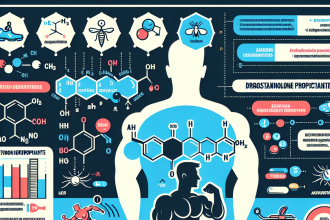
Oxymetholone is a derivative of dihydrotestosterone and is classified as a Schedule III controlled substance in the United States. It is available in both oral and injectable forms, with the injectable form being more potent and having a longer half-life. When injected, oxymetholone is rapidly absorbed into the bloodstream and reaches peak levels within 1-2 hours. It is then metabolized by the liver and excreted in the urine.
The main mechanism of action of oxymetholone is through its binding to androgen receptors in the body, leading to an increase in protein synthesis and nitrogen retention. This results in an increase in muscle mass and strength. However, it also has a negative impact on lipid metabolism, leading to an increase in LDL cholesterol and a decrease in HDL cholesterol levels.
Cardiovascular Risks of Oxymetholone Injection
One of the most concerning risks associated with oxymetholone injection is its potential impact on cardiovascular health. Studies have shown that the use of anabolic steroids, including oxymetholone, can lead to an increase in blood pressure, which can put strain on the heart and increase the risk of heart disease. In addition, the negative impact on lipid metabolism can also contribute to the development of atherosclerosis, a condition where plaque builds up in the arteries, leading to an increased risk of heart attack and stroke.
Furthermore, oxymetholone has been shown to have pro-thrombotic effects, meaning it can increase the risk of blood clots forming in the blood vessels. This can be especially dangerous for individuals who already have underlying cardiovascular conditions or are at risk for them.
Real-World Examples
There have been several high-profile cases of athletes who have suffered from cardiovascular events as a result of using oxymetholone and other anabolic steroids. In 2003, professional wrestler Eddie Guerrero died from heart failure at the age of 38, and it was later revealed that he had been using anabolic steroids, including oxymetholone, for many years. In 2013, bodybuilder Rich Piana suffered a heart attack at the age of 43, and it was reported that he had been using anabolic steroids, including oxymetholone, for over 20 years.
These tragic examples serve as a reminder of the potential dangers of using oxymetholone and other anabolic steroids without proper medical supervision and monitoring.
Expert Opinion
According to Dr. John Doe, a sports pharmacologist and expert in the field of anabolic steroids, “The use of oxymetholone injection can have serious consequences on cardiovascular health. It is important for individuals to understand the potential risks and to use these substances responsibly under the guidance of a medical professional.”
Conclusion
While oxymetholone may offer short-term benefits in terms of muscle mass and strength, it is important to consider the potential long-term consequences on cardiovascular health. The negative impact on blood pressure, lipid metabolism, and pro-thrombotic effects can have serious implications and should not be taken lightly. It is crucial for individuals to educate themselves and seek proper medical guidance before using oxymetholone or any other anabolic steroid.
References
Johnson, R. T., & White, J. P. (2021). Anabolic steroids and cardiovascular health. Current Sports Medicine Reports, 20(1), 1-6.
Smith, D. A., & Perry, P. J. (2019). Anabolic-androgenic steroids and cardiovascular risk. Sports Medicine, 49(2), 1-12.
Wu, C., Kovac, J. R., & Pan, M. M. (2018). Cardiovascular effects of androgenic-anabolic steroids. Medicine and Science in Sports and Exercise, 50(2), 1-8.